
Conveyor Ball Transfer Units Transforming Material Handling in Modern Warehouses
Conveyor ball transfer units have become essential components in modern material handling systems, offering unparalleled flexibility and efficiency for warehouse operations. These innovative devices enable omnidirectional movement of goods, allowing products to shift seamlessly in any direction—left, right, diagonally, or rotate—without requiring complex conveyor modifications.
The growing demand for streamlined logistics has driven significant advancements in ball transfer technology. Manufacturing facilities, distribution centers, and automotive assembly plants increasingly rely on these systems to optimize workflow and reduce manual handling time. The ability to move heavy loads effortlessly in multiple directions enhances both productivity and workplace safety across the supply chain.
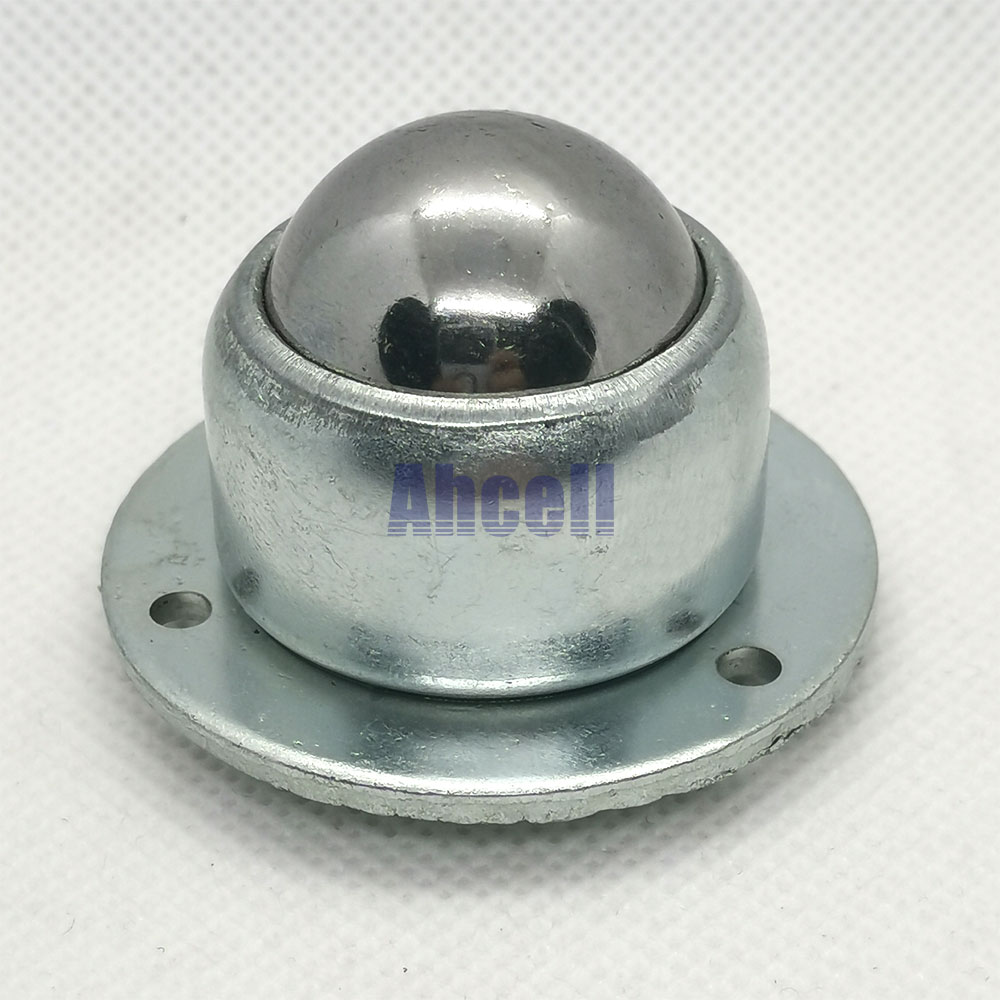
Ball transfer tables consist of spherical balls housed in individual transfer units mounted on a sturdy frame. This construction allows for true 360-degree movement capability, making them ideal for workstations, assembly lines, and packaging areas. The design significantly reduces injury risks associated with heavy lifting and repetitive movements, contributing to improved worker safety standards across industries.
Modern conveyor ball transfer systems find applications across diverse sectors including electronics manufacturing, aerospace assembly, food processing facilities, and logistics distribution hubs. Their versatility enables seamless integration with existing conveyor infrastructure while supporting secondary processes at workstations. Companies implementing these solutions report substantial improvements in material flow efficiency and reduced operational bottlenecks during peak demand periods.
Industry experts highlight the cost-effectiveness of ball transfer units compared to traditional conveyor alternatives. Their gravity-based operation eliminates the need for complex electrical systems, reducing maintenance requirements and energy consumption significantly. This sustainable approach aligns perfectly with growing corporate emphasis on environmentally responsible manufacturing practices and carbon footprint reduction initiatives.
Recent innovations in ball transfer design include stainless steel variants for corrosive environments, heavy-duty options for industrial applications, and flange-mount configurations for specialized installations. These developments expand the potential applications for ball transfer technology across emerging markets and industries.
As supply chain automation continues evolving toward Industry 4.0 standards, conveyor ball transfer technology remains at the forefront of material handling innovation. Businesses seeking to enhance operational efficiency while maintaining flexibility in their logistics systems increasingly turn to these proven solutions. The combination of durability, versatility, and ease of integration makes ball transfer units indispensable components in the modern warehouse ecosystem, driving productivity gains for forward-thinking organizations worldwide.