
Industrial Automation Trends Transforming Manufacturing Operations in 2026
The industrial automation landscape is undergoing a remarkable transformation in 2026, driven by rapid technological advancements and evolving market demands. Manufacturing facilities worldwide are embracing intelligent automation solutions to enhance productivity, reduce operational costs, and maintain competitive advantages in an increasingly dynamic marketplace.
Artificial Intelligence integration stands at the forefront of this revolution, enabling smarter decision-making processes across production lines. AI-driven components such as programmable logic controllers and smart sensors are now capable of predicting equipment failures before they occur, significantly reducing unplanned downtime. According to industry reports, predictive maintenance strategies can save manufacturers up to 30% in annual maintenance costs while improving overall equipment effectiveness.
Edge automation represents another critical trend reshaping manufacturing operations. By processing data locally rather than relying solely on cloud infrastructure, facilities can achieve real-time responsiveness essential for autonomous robotics and time-sensitive production monitoring. This approach reduces latency, enhances security, and ensures consistent operational efficiency even in environments with limited connectivity.
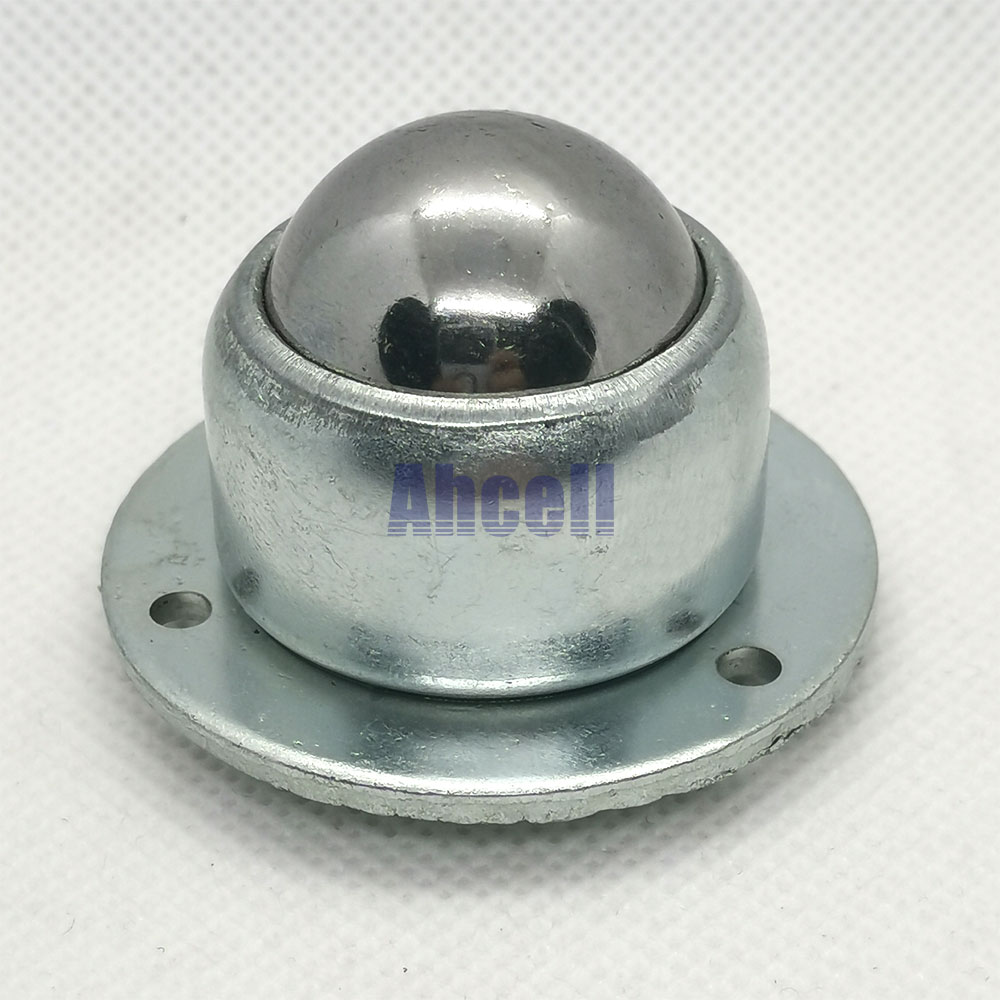
Sustainability has emerged as a core priority for modern manufacturing operations. Energy-efficient automation solutions are delivering both environmental and economic benefits, with companies reporting up to 25% reductions in energy consumption through advanced variable frequency drives and optimized process controls. The integration of ball transfer units in conveyor systems exemplifies how precision components contribute to smoother material handling operations, reducing energy waste and improving throughput.
For material handling applications, the combination of intelligent automation with reliable mechanical components creates synergistic benefits. Ball transfer units play an essential role in conveyor systems and assembly lines, enabling smooth omnidirectional movement of goods while complementing automated control systems. As manufacturers continue investing in Industry 4.0 technologies, the integration of smart controls with proven mechanical solutions will define the next generation of efficient, sustainable production facilities.