
Conveyor Systems Market Hits $13.1B in 2026 as Smart Tech Expands
The conveyor systems market reached $12.6 billion in 2025 and is projected to grow to $13.1 billion in 2026, according to Global Market Insights. By 2035, the market is expected to hit $20.3 billion at a 5% CAGR. The numbers tell a clear story: factories and warehouses need faster, more reliable material transport, and they are willing to pay for it.
Smart conveyors with IoT sensors and predictive analytics are now standard in new installations. These systems monitor belt alignment, tension, vibration, and temperature in real time, catching failures weeks before they happen. According to Hoverdale, a UK-based conveyor engineering firm with over 50 years in the field, predictive maintenance alone can cut unplanned downtime significantly. Siemens Logistics, Continental AG, KION Group, and Honeywell Intelligrated hold a combined 35% market share, and all four have invested heavily in sensor-driven conveyor platforms.
Modularity is another shift gaining traction. Manufacturers want conveyor lines they can reconfigure, extend, or relocate without major civil work. Aluminum-framed modular systems and standardized plastic belt conveyors are now common in packaging, automotive, and e-commerce facilities. This flexibility matters because production layouts change frequently — sometimes quarterly.
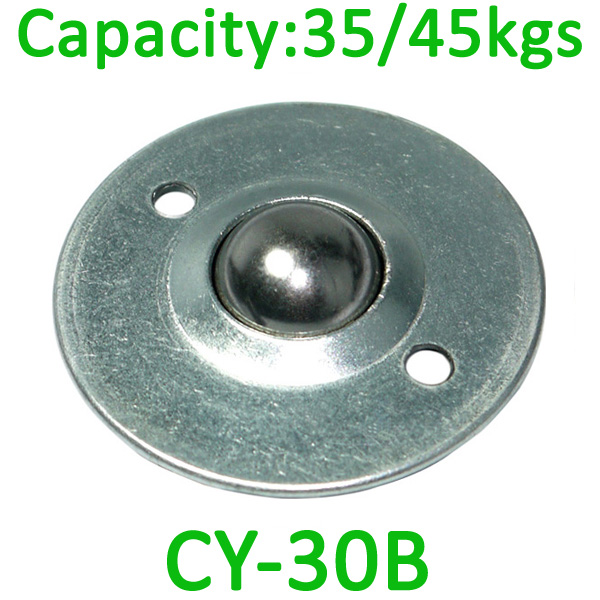
Ball transfer units play a specific role in these evolving systems. At conveyor junctions where lines merge, cross, or diverge, BTU arrays allow items to transfer between perpendicular lines without mechanical diverters. Spring-loaded units absorb impact at high-traffic sortation points, while flange-mount models handle heavy pallet loads up to 4,000 kg. For washdown environments in food and pharmaceutical processing, stainless steel BTUs meet hygiene requirements while maintaining omnidirectional movement.
Energy efficiency and sustainability are also driving design choices. Low-friction belt compounds, recycled rubber materials, and lighter belt carcasses reduce electricity consumption and extend component life. Universal Chain reports that energy-saving features are now integrated directly into conveyor designs rather than added as aftermarket options.
Companies that replace manual material transport with well-designed conveyor setups can cut moving costs by 80–90 percent compared to using loaders, according to Machinery Partner. As the market pushes toward $20 billion by 2035, the focus is clear: smarter sensors, modular layouts, and components that last longer with less maintenance.