
Warehouse Efficiency Improvements Driving 2026 Success
Warehouse efficiency improvements have become a critical focus for businesses seeking competitive advantages in 2026. As supply chains face increasing complexity and customer expectations continue to rise, facilities are adopting innovative strategies to optimize their operations and maximize productivity.
The landscape of warehouse management is evolving rapidly, with facilities transitioning from traditional distribution centers into data-driven ecosystems. Key improvements include implementing advanced Warehouse Management Systems (WMS), adopting IoT sensors for real-time analytics, and integrating automation technologies that support workforce teams rather than replace them.
One of the most overlooked yet impactful improvements involves ergonomic upgrades and workflow optimization. Facilities investing in ergonomic mats, adjustable workstations, and lift tables report measurable gains in safety and productivity. These affordable upgrades reduce injuries, improve employee satisfaction, and deliver immediate operational benefits with minimal disruption.
Lighting upgrades represent another cost-effective improvement strategy. Switching to LED systems from traditional fluorescent lighting reduces energy costs while improving visibility and accuracy in picking operations. Advanced facilities are also implementing shadow boards and 5S organization principles to minimize downtime and improve accountability for tools and supplies.
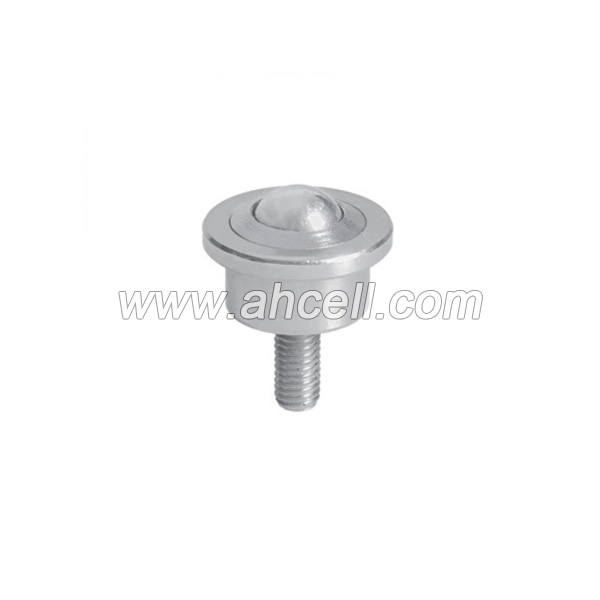
Material handling equipment plays a crucial role in warehouse efficiency. Ball transfer units enable smooth omnidirectional movement of goods, reducing manual effort and accelerating throughput. Heavy-duty threaded ball rollers support various load capacities while maintaining smooth operation, making them essential components in conveyor systems and assembly lines.
Technology integration remains fundamental to efficiency improvements. Real-time visibility through connected systems allows warehouses to anticipate disruptions, optimize slotting strategies, and enable predictive replenishment. Digital transformation initiatives have demonstrated over 20% higher throughput and up to 12% lower operational costs in leading facilities.
Looking ahead, successful warehouses will continue balancing automation with human expertise, focusing on sustainable growth rather than quick fixes. By implementing strategic improvements across technology, ergonomics, and material handling systems, facilities can build resilient operations capable of meeting future challenges.
- Pre:Assembly Line Automation Advances Drive Manufacturing Effici 2026/4/24
- Next:Logistics Systems: 2026 Trends Reshaping Warehousing 2026/4/22