
Packaging Machinery Market Reaches $71B in 2026
The global packaging machinery market is on track to reach $71.1 billion by 2026, growing at 5.8% annually according to Miller Weldmaster's 2026 automation guide. Three forces drive this expansion: persistent labor shortages, tighter sustainability rules, and the continued surge in e-commerce demand. Across food, beverage, pharmaceutical, and consumer goods sectors, manufacturers are accelerating equipment purchases to keep pace.
The United States and China together account for half of all packaging equipment sales growth through 2026, per the same report. Asia Pacific dominates production volume, while North America ranks as the fastest-growing adoption region. Manufacturers in both regions are replacing manual stations with automated lines that handle filling, sealing, coding, and inspection in a single pass. According to Towards Packaging's 2026 market analysis, the broader market is forecasted to grow from $55.98 billion in 2026 to $87.59 billion by 2035 at a 5.1% CAGR.
Companies that complete automation upgrades report measurable gains. QuantumPak documented a 20-40% increase in throughput across client installations in 2025. JB Weld, an adhesives manufacturer, achieved over 30% efficiency improvement after deploying an automated bag-sealing line with synchronized conveyors and gas-flush technology. These are installed results from active production floors, not projections.
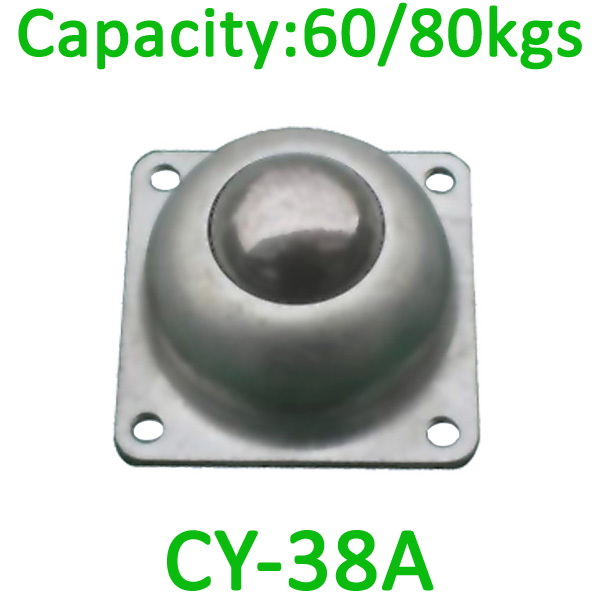
Packaging conveyor lines rely on ball transfer units at transition points where product direction changes. A single packaging line may use dozens of these units at merge lanes, turntables, and sorting diverts. Stainless steel variants handle washdown environments common in food and pharmaceutical packaging. Bosch Rexroth's R0530 series offers load capacities from 130N to 6,000N in housing diameters from 17mm to 75mm, giving engineers a wide selection for different package weights and conveyor speeds. Elesa+Ganter's technical documentation notes that ball transfer spacing depends on the load surface area, with smaller packages requiring closer unit placement to prevent tilt.
The 2026 packaging floor looks different from even two years ago. PLC-driven controls with HMI touchscreens, automated code-dating via TIJ printers, and vision systems for inline inspection are now standard on new equipment. Sustainability requirements have also pushed mono-material films and compostable packaging, which demand tighter temperature regulation and conveyor synchronization on sealing equipment. Labor shortages made the shift to automation urgent; the production numbers made it permanent.
- Pre:Flange Mount Ball Transfers Dominate $1.8B Market in 2026 2026/5/4
- Next:Stainless Steel Ball Transfers: 2026 Market Update 2026/5/2