
Manufacturing 2026: $1T Digital Spend, Only 20% AI-Ready
Manufacturers worldwide will spend $1 trillion on digital transformation by 2031, growing at 17-24% annually, according to Forvis Mazars. That figure signals how fast the industry is moving. Yet a new Redwood Software survey of 300 global manufacturing professionals found that only 20% of companies are fully prepared to scale AI, despite 98% actively exploring it.
The disconnect is stark. Three-quarters of manufacturers sit at a mid-stage automation maturity plateau, automating individual tasks inside siloed systems. Kevin Greene, CEO of Redwood Software, put it plainly: manufacturers are not failing at automation, they are hitting the limits of fragmented execution. Even the best AI models cannot scale when workflows remain broken at handoffs and exception handling stays manual.
Data readiness is the biggest roadblock. Eighty percent of surveyed manufacturers cite it as the primary barrier to AI adoption. Sixty percent still handle critical workflows and exception management by hand. The solution lies in orchestration: connecting isolated automations into a single fabric that allows information to move in real time across the operation, so that siloed processes no longer choke the pipeline when demand spikes.
On the factory floor, the pace is accelerating from another angle. Global robot installations surpassed 500,000 units annually, driven by collaborative robots, high-speed SCARA systems, and automated guided vehicles. Forvis Mazars reports that the top in-demand skill for 2026 has shifted from financial planning to data, technology, and AI in just one year. Companies building 90-day innovation action plans and investing in worker upskilling are pulling ahead. Those that wait face growing gaps in both capability and talent.
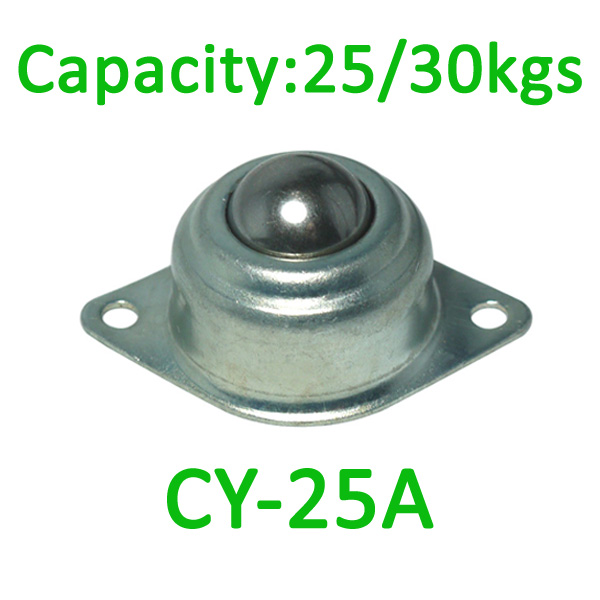
Ball transfer units play a specific role here. On conveyor lines feeding robotic workcells and AGV routes, heavy-duty and stainless steel ball transfers handle the omnidirectional movement of workpieces between stations. As manufacturers connect design automation through to final inspection, every material-handling component, including ball transfer bearings, must operate reliably within those integrated workflows.
- Pre:Stainless Steel Ball Transfers: 2026 Market Update 2026/5/2
- Next:Conveyor System Innovations Driving Market Growth in 2026 2026/4/30